Many Malaysian EV buyers ask the same question after booking their car: can I install a charger at my condo parking bay? The honest answer is that it depends. It may be possible, but it is not the same as installing a charger at a landed house.
In a landed home, the installer usually assesses the distribution board, incoming supply, charger location, cable route, protection devices, and home load. Once the home is suitable and the owner approves the quotation, the work can usually proceed with fewer external parties involved.
In a condo or apartment, the parking bay, riser, car park ceiling, cable tray, meter room, electrical room, and common areas may involve shared property. This is why the JMB, MC, or building management will usually ask more questions. Some questions are reasonable. Some objections may come from misunderstanding. Either way, the owner should not approach the matter with a ‘just install first’ mindset.
A serious EV owner needs a proper technical case. The goal is not to pressure the JMB. The goal is to show that the installation has been considered professionally, with clear information on route, load, protection, metering, responsibility, and future maintenance.
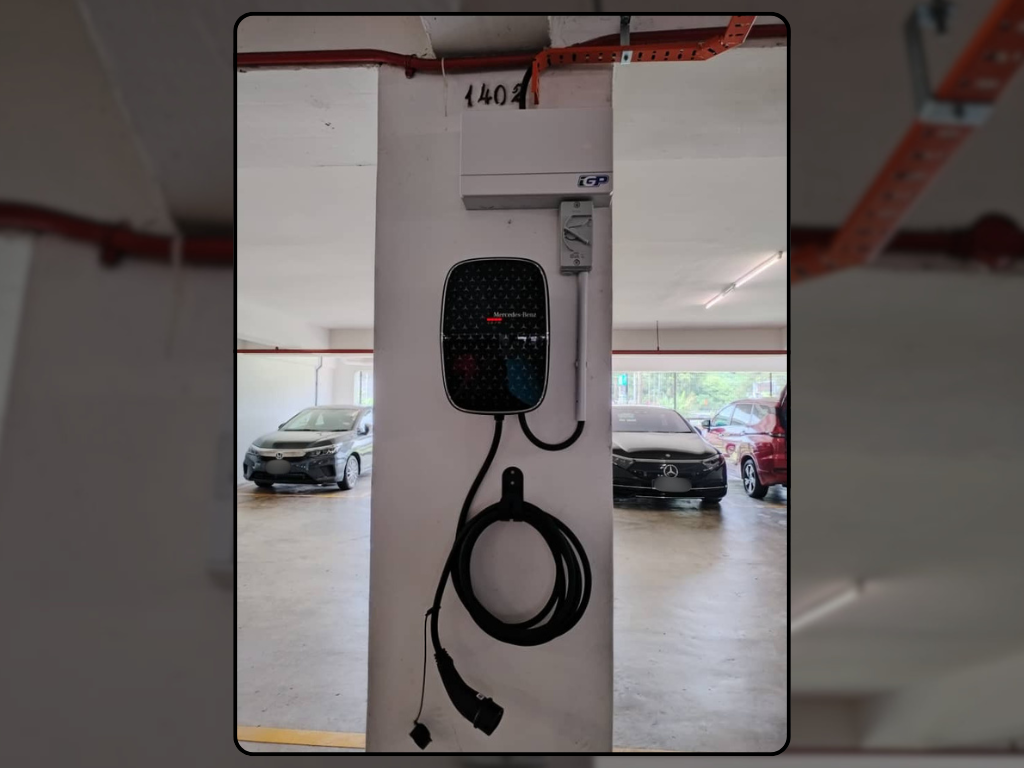
The first item to check is the parking bay and cable route. Where will the charger be installed? Where will the cable start? Will it come from the owner’s unit supply, a dedicated meter, a common electrical room, or a future EV charging distribution board? Will the cable pass through car park ceilings, risers, corridors, or areas controlled by the management?
This matters because cable route affects almost everything: cable size, voltage drop, protection method, installation cost, containment, access permission, labelling, future maintenance, and whether the JMB can approve the work comfortably. A short and direct route is very different from a long route through shared areas.
The second item is electrical load assessment. EV charging is a continuous load. The building management may want to know whether the supply arrangement is suitable and whether the charger could affect other residents or common facilities. This is not a question that should be answered casually. It requires a competent review of supply source, cable path, protection design, and usage assumptions.
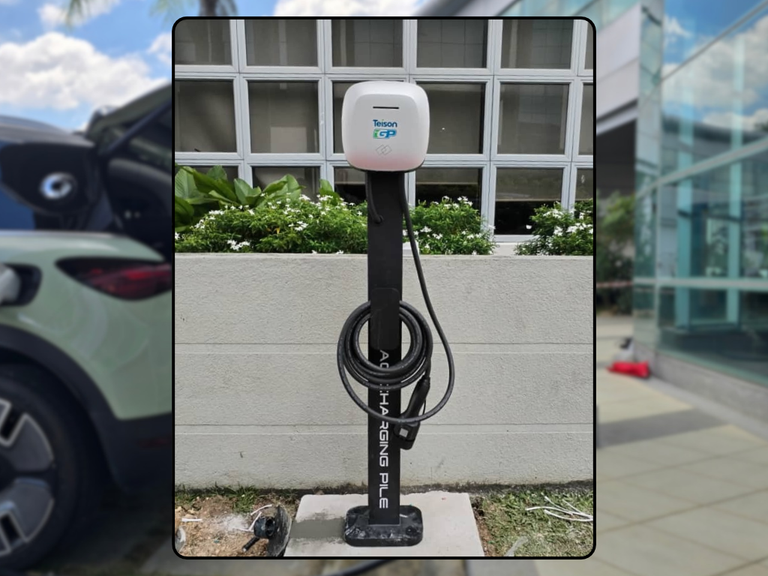
The third item is charger and protection details. A weak proposal says only, ‘I want to install an EV charger.’ A better proposal states the charger model, power rating, installation method, proposed cable route, protection arrangement, isolator location, earthing consideration, testing scope, and who will be responsible for workmanship and future support.
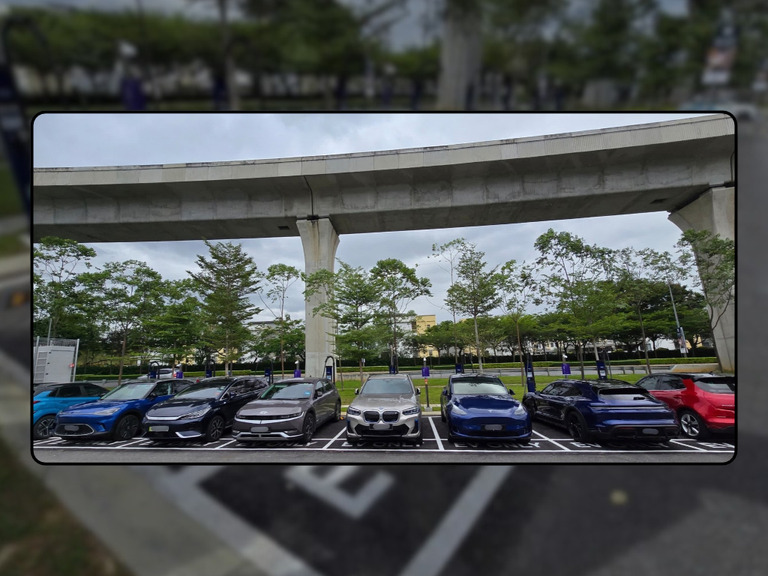
The fourth item is metering and billing. One common JMB concern is simple: who pays for the electricity? Some buildings may allow supply from the owner’s unit meter if technically practical and permitted by house rules. Some may require a dedicated metering arrangement. Some buildings may prefer a shared charger managed by an operator. There is no one answer for every condo, so the proposal must match the building.
The fifth item is fire-safety concern. This should be handled calmly. A JMB that worries about fire is not automatically being difficult. But the answer should be technical, not emotional. A properly installed EV charging system uses correct wiring, dedicated protection, suitable equipment, testing, and clear operating responsibility. The higher risk usually comes from poor installation, wrong cable sizing, loose termination, unsuitable sockets, extension-cord use, and unclear responsibility.
The sixth item is written approval. Verbal permission is not enough. The written approval should ideally identify the approved charger location, cable route, installation method, access conditions, reinstatement obligations, maintenance responsibility, and any restrictions imposed by management. This protects the owner, the management, and the installer if committee members change later.
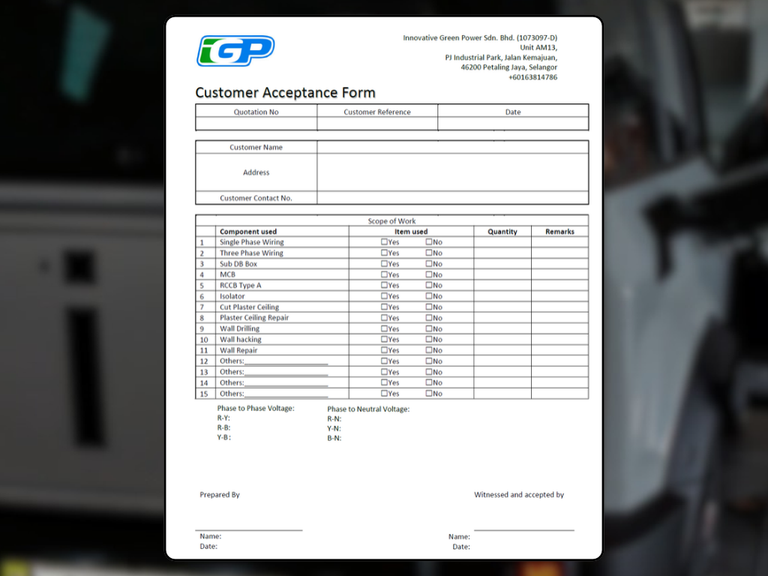
The seventh item is testing, commissioning, and records. After installation, the owner should keep the approval letter, charger details, photos, warranty records, invoices, inspection notes, and testing or commissioning information where available. These records are useful for maintenance, future troubleshooting, insurance discussion, property sale, tenant handover, or management review.
The right approach is simple: do not start by arguing with your JMB. Start by preparing the technical plan. If you are a JMB or MC member, do not treat every EV charger request as automatically unsafe. Ask for the right information, the right installer, and the right documentation.
Condo EV charging should be possible where the site condition, approval path, and electrical design allow it. But it should not be treated like a simple plug-and-play accessory. It needs assessment, written approval, proper installation, and clear responsibility.
Need help checking whether your condo EV charger proposal is practical? Innovative Green Power can assist with assessment, charger selection, documentation, and installation support.
IGP’s Safety Principles
At IGP, we do not look at home charging as a wallbox sale only. We look at it as an electrical system. The goal is not to push maximum power into every home. The goal is to design a charging setup that the home can safely and reliably support.
Home charging should be convenient, but it should also be designed properly.
Let our obsession with quality protect your safety.
Because when it comes to EV charging and electrical systems, there’s no room for compromise.
Need your EV charger or electrical setup professionally inspected?
📲 WhatsApp Us: https://wa.me/60125954786
Stay connected with us:
📷 Instagram: https://www.instagram.com/InnovativeGreenPowerMY
📘 Facebook: https://www.facebook.com/innovativegreenpower
🎥 YouTube: https://www.youtube.com/@IGPEVCharging-ir8rv
🖥 Website: https://www.innovativegreenpower.com