1. Introduction
Choosing between single-phase and three-phase installation affects your charging speed, costs and future flexibility. This article clarifies the technical differences and cost implications while referencing IGP’s installation packages.
2. Supply and Power Differences
- Single-Phase (240 V): Supports total loads up to 10 kW and is suitable for chargers up to 7 kW.
- Three-Phase (415 V): Required for 11 kW or 22 kW chargers and for households that exceed 10 kW in total load. Three-phase supplies more power across three conductors, enabling faster charging.
3. Cost Comparison: IGP Packages
IGP’s standard installation packages (excluding charger and supply upgrade):
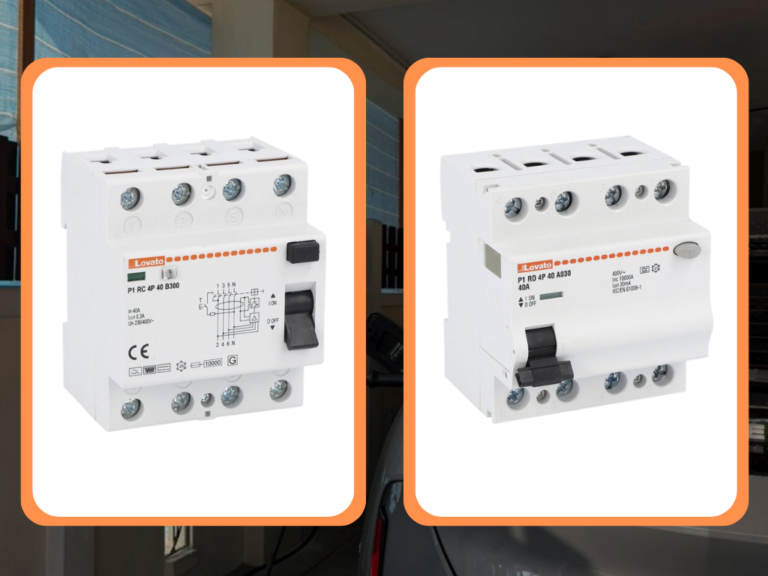
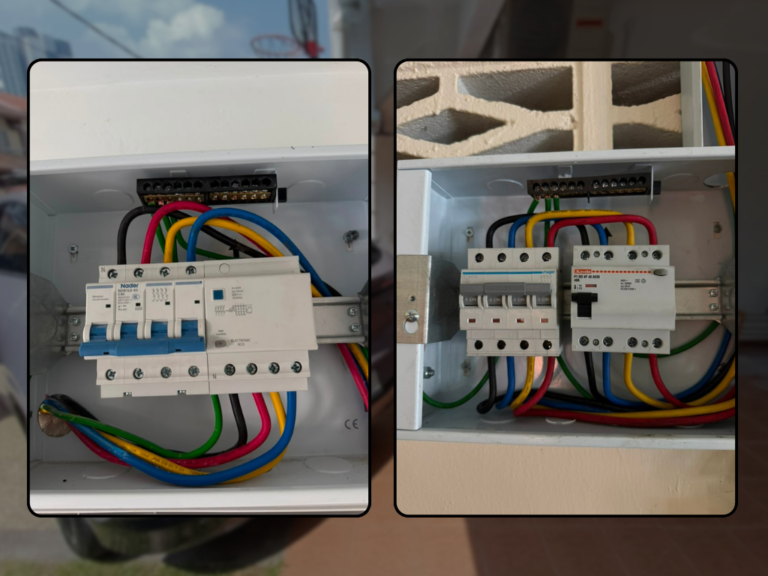
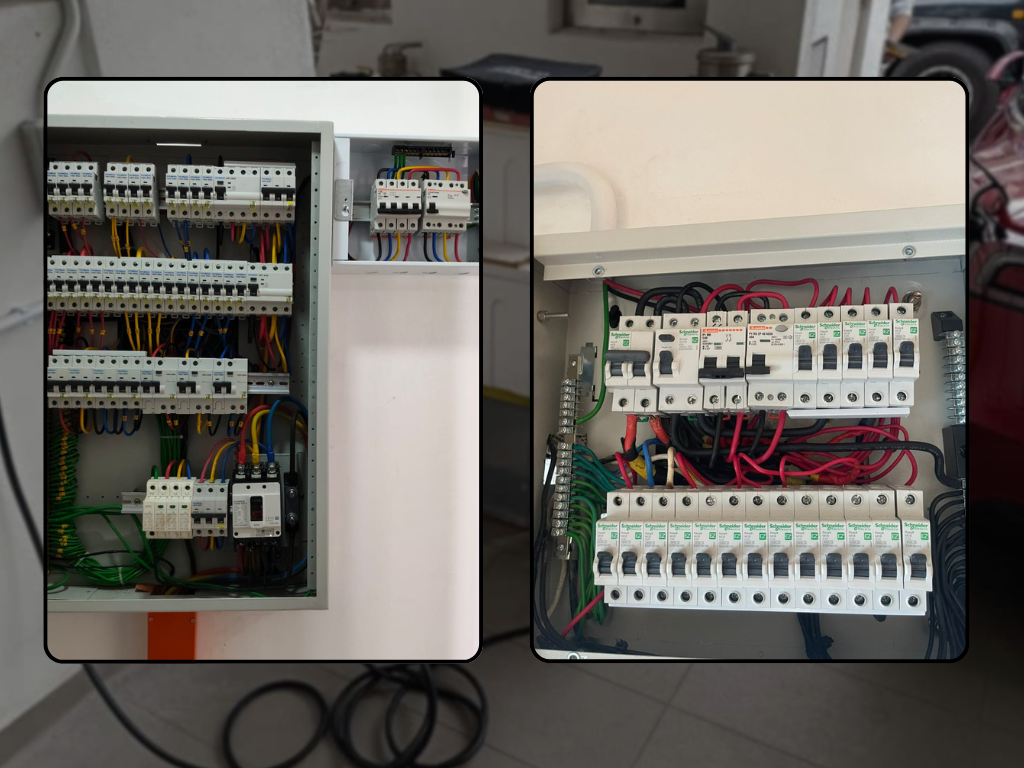
- Single-Phase 6 mm²: RM 1 599 – includes up to 10 m of 3-core 6 mm² cable, distribution box, MCB, RCCB and isolator switch.
- Single-Phase 10 mm²: RM 1 999 – same as above but uses heavier 10 mm² cable for higher current capacity.
- Three-Phase 6 mm²: RM 1 699 – includes up to 10 m of 5-core 6 mm² cable and three-phase protection devices.
- Three-Phase 10 mm²: RM 2 199 – uses heavier 5-core 10 mm² cable for larger loads.
These prices cover labour and materials for surface conduit installations up to 10 m. Additional metres of cable and concealed wiring incur extra charges; the charger unit and any TNB upgrade cost are separate.
4. How These Prices Relate to Market Figures
General guides note that a complete home EV charging setup (including the charger) typically costs RM 2 000–RM 5 000, and simple installation labour can start from around RM 1 500. Our packages fit comfortably within these ranges for installation work alone. If your project requires a three-phase supply upgrade, expect to add RM 1 500–4 000 to the overall cost.
5. Performance Considerations
- Charging Speed: A 7-kW single-phase charger can fully charge most EVs overnight. An 11 kW or 22 kW three-phase charger shortens charging times, but only EVs with corresponding on-board charger capacities can use the full power.
- Future-Proofing: Three-phase systems provide more flexibility for multiple EVs or future EVs with higher on-board chargers.
- Infrastructure Requirements: Three-phase chargers need heavier wiring and three-phase breakers, which increases material and labour costs.
6. Choosing the Right Option
Evaluate:
- Your EV’s on-board charger – If it’s 7 kW or 11 kW, a 22-kW charger won’t charge faster than the vehicle allows.
- Your daily mileage – If you can charge overnight, a 7-kW charger is sufficient.
- Your long-term plans – Multiple EVs or future 22 kW EVs may justify a three-phase setup.
IGP provides a detailed assessment of your home’s load and uses the information to recommend the most cost-effective solution. Our packages allow you to choose between 6 mm² and 10 mm² cabling depending on your current and future needs.
7. Conclusion
Single-phase installations are adequate and economical for most Malaysian households, while three-phase installations offer higher power but require a bigger investment and possibly a supply upgrade. With IGP’s range of installation packages and our commitment to transparent pricing and safety, you can confidently select the option that best suits your home and your EV.