1. Introduction
An EV charger draws a continuous high current for hours—something most household circuits weren’t designed for. Dynamic load balancing addresses this challenge by adjusting charging current in real time, protecting your home’s electrical system and avoiding unnecessary supply upgrades.
2. What Is Dynamic Load Balancing?
Dynamic load balancing monitors total household demand and automatically reduces EV charging current when other loads increase. IGP’s single-phase vs three-phase guide explains that load-balancing technology protects your service cables and prevents overload by adjusting charging current continuously. Essentially, it keeps your home within its electrical capacity.
3. Why It’s Essential
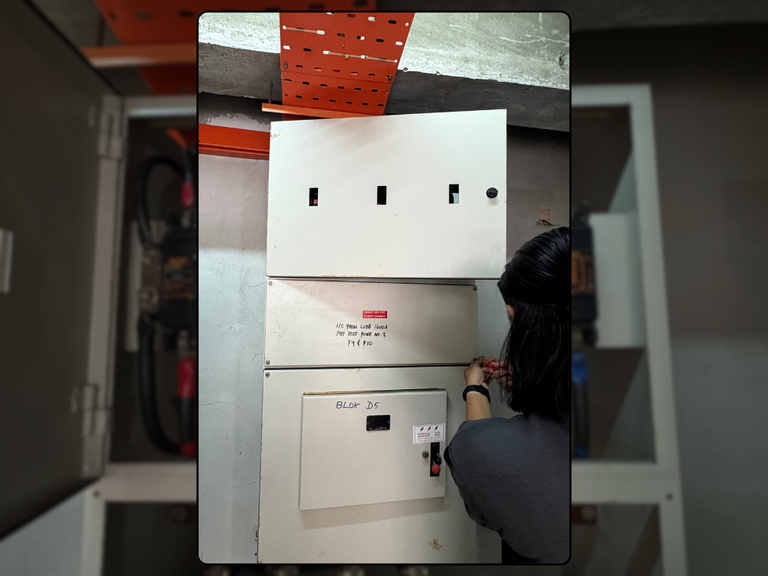
Many Malaysian homes have 63 A or 80 A main fuses but service cables sized for about 32 A. EV charging at 32 A for hours can expose weaknesses that were previously hidden. Ignoring the incoming supply or assuming the fuse rating equals usable capacity can lead to cable overheating and power loss. Load balancing prevents such overloads by capping EV charging current when the household load approaches the limit.
Without load balancing, you might need a costly three-phase upgrade to handle combined loads. With load balancing, your charger can temporarily throttle down to keep your total demand within 10 kW (for single-phase), often avoiding the upgrade entirely.
4. Real-World Benefits
Load balancing:
- Reduces nuisance tripping by preventing temporary overloads.
- Extends the life of service cables and breakers, which aren’t rated for continuous high loads.
- Integrates with smart home systems and solar PV, optimising energy use.
- Avoids unnecessary supply upgrades, saving you thousands of ringgit.
5. IGP’s Load-Balancing Solutions
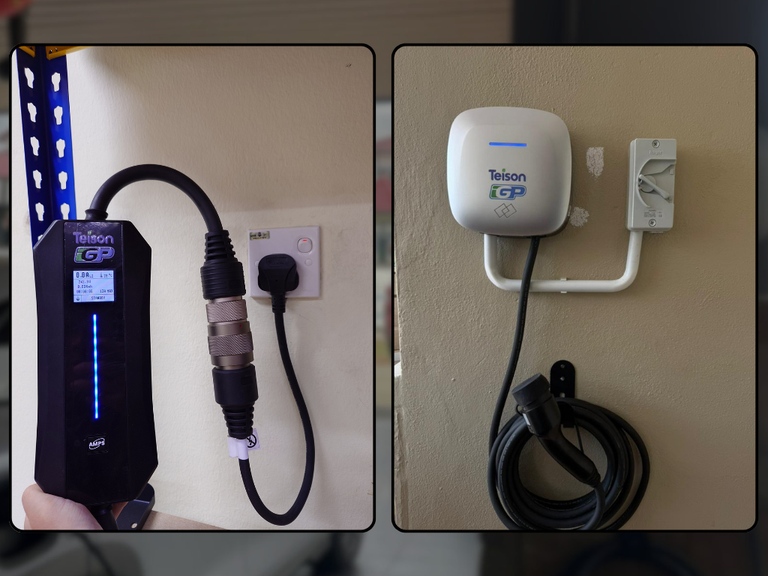
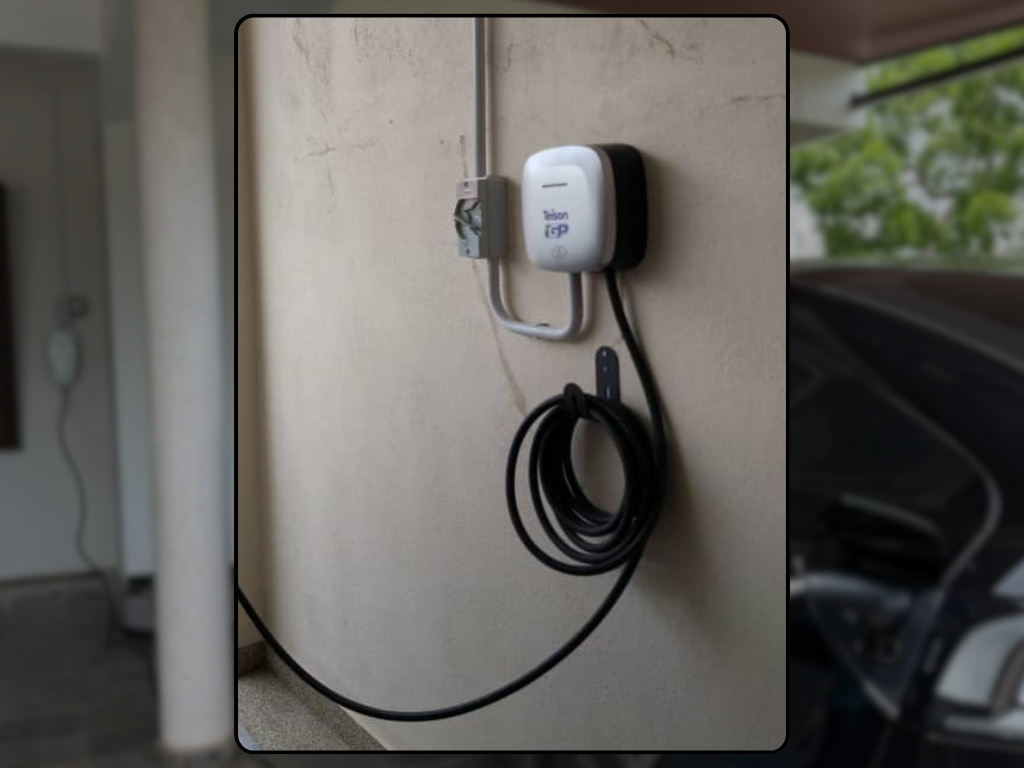
IGP’s Smart Mini Home Charger offers home load-balancing. It continuously monitors your total household consumption and adjusts the EV charging current in real time. Our chargers can communicate with your distribution board or smart meter to detect when other appliances (like air conditioners) turn on, then reduce charging current to avoid overloading the supply. When household demand drops, the charger automatically increases charging current.
We also provide portable EV chargers with adjustable current, allowing manual load management when you travel or charge away from home.
6. Conclusion
Dynamic load balancing is not a nice-to-have—it’s a critical feature for safe and efficient EV charging in Malaysia. By monitoring household demand and adjusting charging current, it protects your electrical system, prevents overloads and postpones the need for a three-phase upgrade. IGP’s smart chargers offer built-in load balancing, ensuring your EV charging is compatible with your home’s capacity and future energy needs.