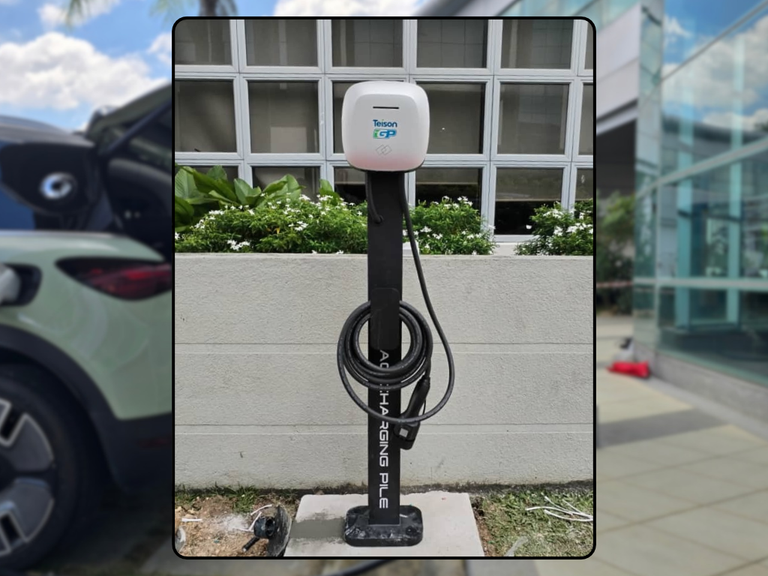
One of the most common questions EV owners ask is simple: how much does it cost to install a home EV charger?
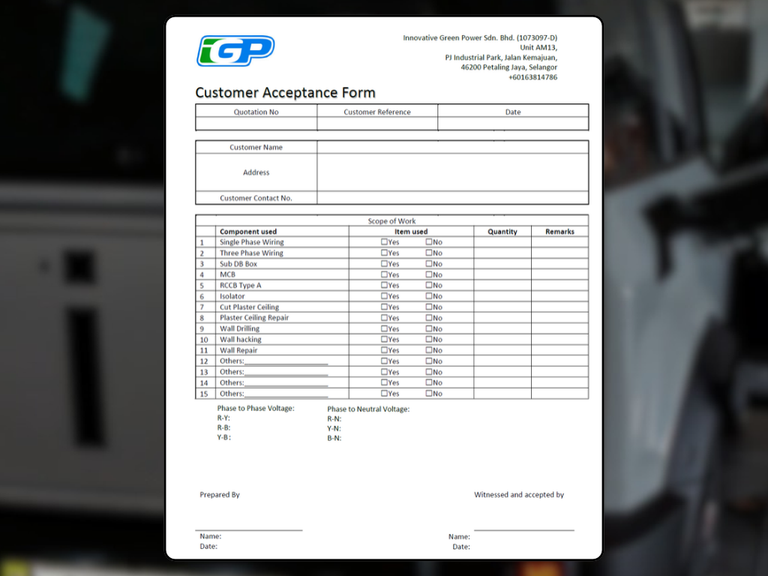
It is a fair question. But the problem is that many quotations are not comparing the same thing. One quote may include only basic labour and a simple cable route. Another quote may include a proper site assessment, better cable specification, MCB, RCCB, isolator, DB work, earthing checks, testing, commissioning, warranty support and documentation.
From the customer’s point of view, both may look like ‘EV charger installation’. From an electrical contractor’s point of view, they may be in completely different areas of work.
This is why price alone is a poor decision factor. A cheap quote is not automatically bad, and a more expensive quote is not automatically good. What matters is whether the installer can explain what is included, what is excluded, why certain components are required, and how the system will be tested after installation.
The first part of a proper quote is site assessment. A serious installer should want to understand your home before making a firm recommendation. Is your home single-phase or three-phase? Where is the DB? How far is the charger location? What is the existing load? Is the DB in good condition? Is there enough space for protective devices? Is the cable route indoor, outdoor, exposed, concealed, high-level, or difficult to access?
Without these answers, the quote is partly guessing. Guessing may look fast, but it often creates variation orders, hidden costs, or unsafe shortcuts later.
The second part is cable specification. EV charging is a continuous load. Cable size should be chosen based on current, length, installation method, temperature, voltage drop, and site condition. A short 7kW installation near the DB is very different from a long route to a car porch or outdoor parking bay. If two installers quote different prices, check whether they are using the same cable size, same cable type, same route method and same protection method.
The third part is containment and workmanship. Trunking, conduit, cable tray, wall penetration, sealing, outdoor protection, labelling and routing cleanliness all take time and material. They may not sound exciting, but they affect safety, appearance, maintenance and long-term durability. A charger mounted nicely on the wall does not mean the full installation is done well behind the scenes.
The fourth part is protection devices. A proper home charger setup should not be treated as just adding one breaker. Depending on the charger and site design, the installation may involve MCB or suitable overcurrent protection, RCCB or suitable residual-current protection, isolator, SPD where appropriate, earthing checks and correct coordination with the charger’s own protection. These are not optional decorations. They are part of system safety.
The fifth part is load management. Some homes have limited spare capacity. Some homes can charge comfortably at full 7kW. Others may be better served by limiting current, scheduling charging, or using Dynamic Load Balancing where suitable. A proper quote should explain this, not blindly push one package to every home.
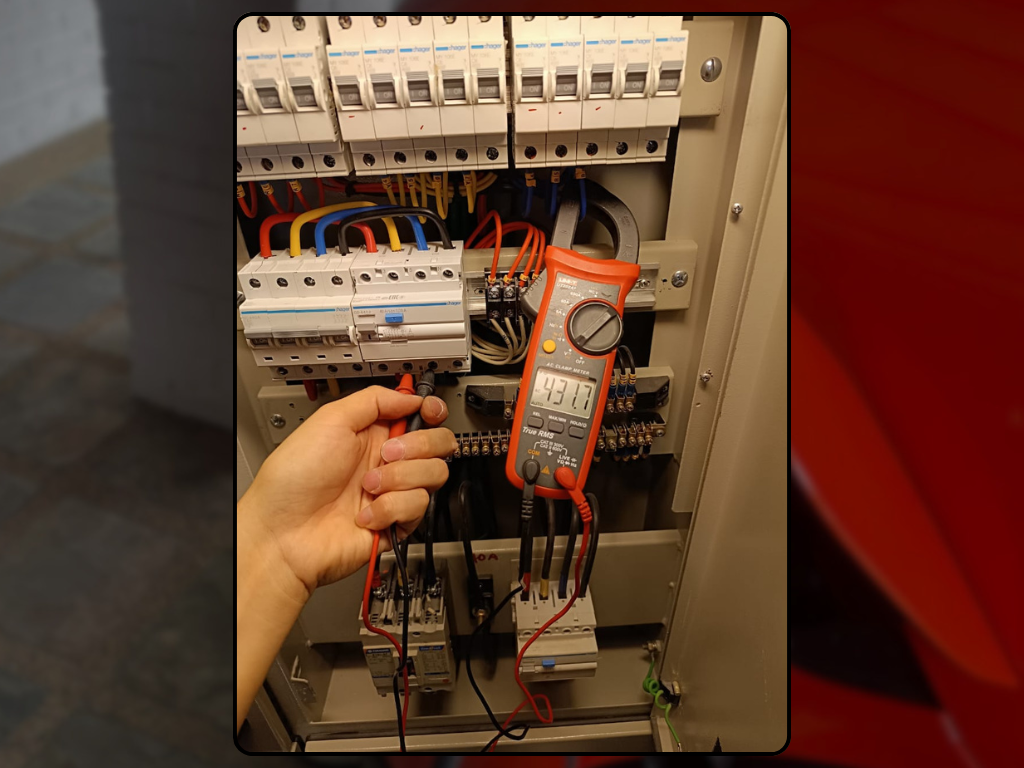
The sixth part is testing and commissioning. After installation, the job is not complete just because the charger turns on. The system should be checked, function-tested, and explained to the owner. The owner should know where the isolator is, what normal operation looks like, what to do if the charger trips, and who to contact for support.
The seventh part is after-sales accountability. EV charging is not a one-day product. The charger will be used regularly, often daily, for years. If something trips, overheats, behaves strangely, or needs reconfiguration after a car change, the installer should be reachable and responsible within the agreed warranty and support scope.
When comparing quotes, do not only ask, ‘Why is this cheaper?’ Ask better questions. What cable size is used? What protection devices are included? Is this based on site inspection? Is the route clearly defined? Is testing included? Is warranty included? Is the installer a registered electrical contractor? Who is responsible after installation?
The cheapest installation may look attractive on day one. But if it omits assessment, uses borderline material, skips protection, leaves poor terminations, or provides no support, the real cost may appear later through tripping, rework, warranty disputes, or safety risk.
A proper quote should make the invisible parts visible. That is how customers can compare fairly.
At IGP, we prefer to explain what we are installing and why. We do not offer discounts just to secure sales, and we do not cut corners to match unsafe pricing. The goal is not to be the cheapest. The goal is to install a system that is safe, reliable and suitable for the home.
IGP’s Safety Principles
At IGP, we do not look at home charging as a wallbox sale only. We look at it as an electrical system. The goal is not to push maximum power into every home. The goal is to design a charging setup that the home can safely and reliably support.
Home charging should be convenient, but it should also be designed properly.
Let our obsession with quality protect your safety.
Because when it comes to EV charging and electrical systems, there’s no room for compromise.
Need your EV charger or electrical setup professionally inspected?
📲 WhatsApp Us: https://wa.me/60125954786
Stay connected with us:
📷 Instagram: https://www.instagram.com/InnovativeGreenPowerMY
📘 Facebook: https://www.facebook.com/innovativegreenpower
🎥 YouTube: https://www.youtube.com/@IGPEVCharging-ir8rv
🖥 Website: https://www.innovativegreenpower.com