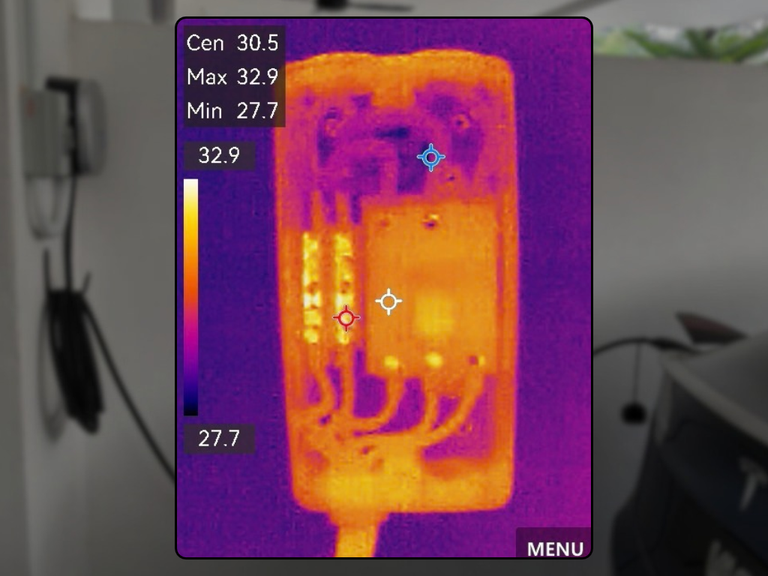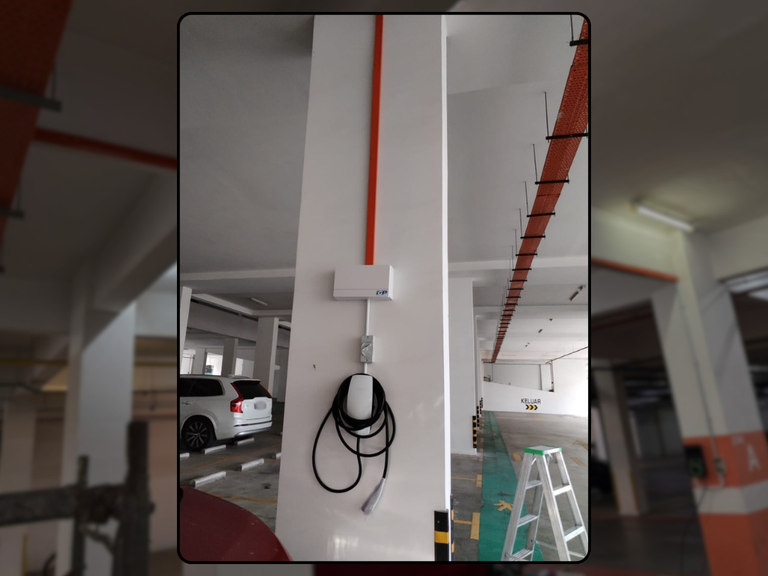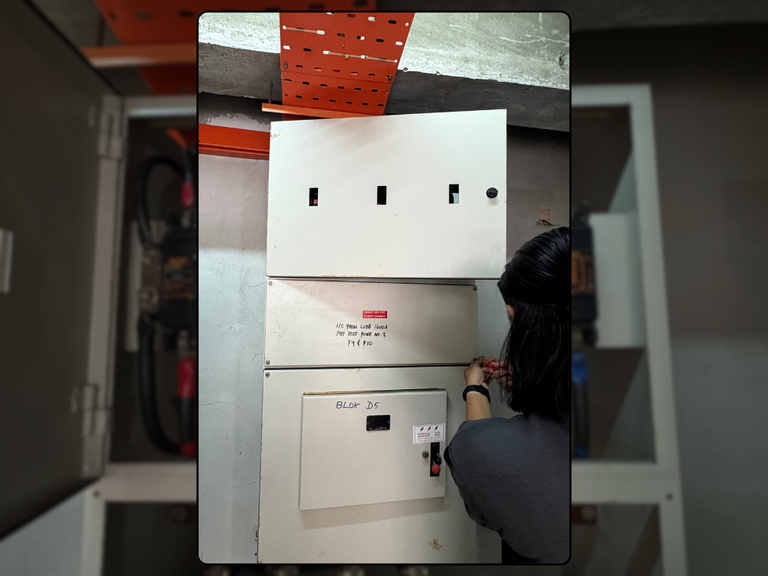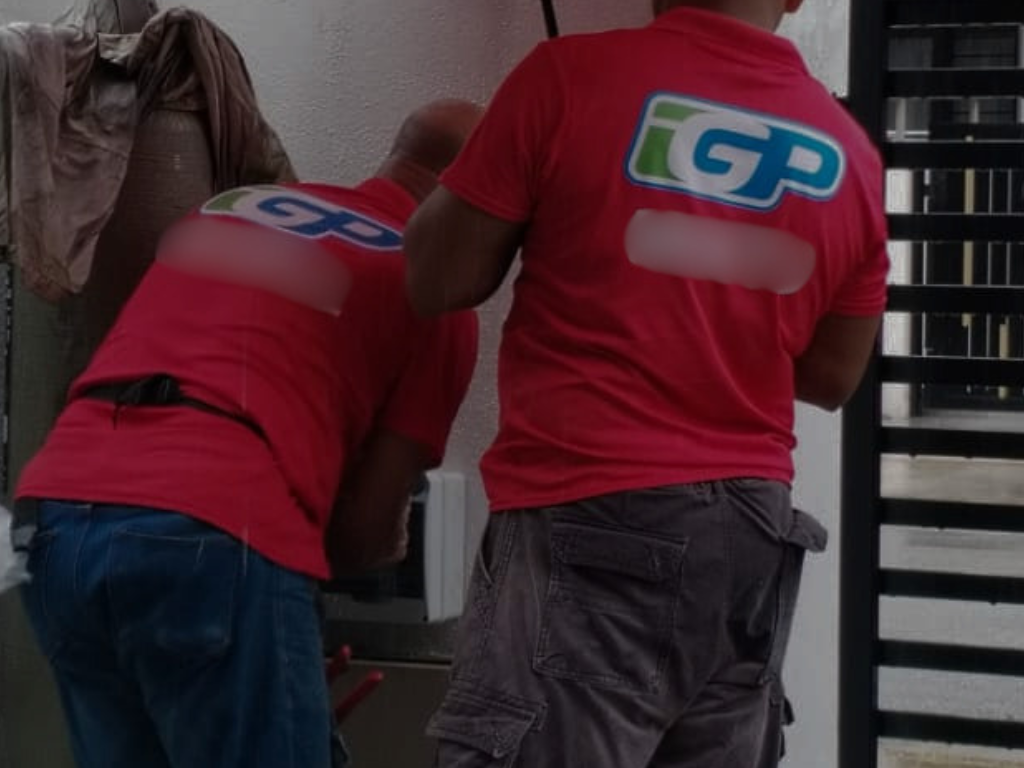
When EV owners hear the phrase “home EV charger inspection”, many imagine a complicated technical process.
Some assume it will involve major electrical work. Others believe it will be expensive or time-consuming.
In reality, a home EV charger inspection is a simple and structured assessment designed to ensure that your home charging system is installed safely and correctly.
It is not about creating problems.
It is about preventing problems before installation begins.
Why a Home Inspection Is Necessary
An EV charger is different from most household electrical appliances.
According to IEC 61851-1, which governs electric vehicle conductive charging systems, EV charging is classified as a continuous electrical load.
This means the electrical system must safely support high current for extended periods of time.
Because of this, several aspects of the home electrical system must be reviewed before installation:
- Electrical capacity
- Protection devices
- Cable routing
- Charger location
- Installation design
The inspection ensures the system is compatible, safe, and compliant with good electrical practice before installation begins.
Step 1 — Reviewing the Distribution Board
The first thing checked during a home inspection is the distribution board (DB).
This is where the home’s electrical circuits and protection devices are located.
The installer will assess:
- Available breaker space
- Existing electrical loads
- Protection device configuration
- Overall condition of the DB
In many cases, the distribution board already has sufficient capacity for an EV charger.
However, this must be confirmed rather than assumed.
Step 2 — Checking Incoming Electrical Capacity
Next, the incoming power supply to the home is reviewed.
In Malaysia, most landed homes operate on single-phase 230V supply.
The inspection considers factors such as:
- Service fuse rating
- Typical household electrical usage
- Existing high-load appliances
This helps determine whether the EV charger can operate safely within the home’s electrical limits.
Where necessary, smart chargers with dynamic load balancing may be recommended to manage household load safely.
Step 3 — Identifying the Charger Location
Choosing the right location for the EV charger is important for both convenience and safety.
During the inspection, installers will consider:
- Parking position of the vehicle
- Cable reach to the charging port
- Environmental exposure
- Mounting surfaces
Proper charger placement ensures the charging cable can reach the vehicle comfortably without creating hazards.
Step 4 — Planning the Cable Route
One of the most important parts of the inspection is planning the cable routing path.
This includes determining how the charging cable will run from the distribution board to the charger.
Installers will review:
- Distance between DB and charger location
- Possible routing paths
- Concealed or surface cable options
- Structural constraints
Proper cable routing is important for both safety and aesthetics, and it helps ensure that the installation complies with electrical standards and best practices.
Step 5 — Confirming Protection Devices
EV charging systems require appropriate electrical protection.
Depending on the installation design, this may involve:
- Dedicated circuit protection
- Residual current protection
- Isolation devices
These protections ensure that the charging system operates safely and can be isolated when required for maintenance or emergencies.
The Inspection Helps You Make Better Decisions
The goal of a home EV charger inspection is not to complicate the process.
It actually makes installation simpler and more predictable.
Once the inspection is complete, the installer can:
- Recommend the most suitable charger
- Provide a clear installation proposal
- Confirm whether any electrical upgrades are required
- Estimate installation timelines accurately
This allows homeowners to make informed decisions well before the EV arrives.
Why It’s Best to Do the Inspection Early
The ideal time for a home EV charger inspection is soon after placing your EV order.
Doing this early provides several advantages:
- Installation planning can begin early
- Charger selection becomes easier
- Installation slots can be reserved in advance
- Electrical upgrades, if required, can be scheduled without time pressure
By the time the vehicle delivery date is confirmed, the installation can proceed smoothly without needing additional planning.
Inspection Is Simple — And Rebated If Installation Proceeds
Another common concern is cost.
In reality, the inspection is a relatively small step in the overall EV ownership journey.
At IGP, the inspection fee is rebated if the installation proceeds, meaning it effectively becomes part of the installation process.
The inspection simply ensures that the installation is performed correctly, safely, and efficiently.
Preparing Early Creates a Better EV Ownership Experience
EV ownership is designed to be convenient.
Charging at home overnight allows drivers to begin every day with a full battery without visiting a charging station.
But that convenience depends on preparation.
By scheduling a home charger inspection early, EV owners can ensure their home charging system is ready before the vehicle arrives.
IGP’s Safety Principle
IGP enforces high standards as a deliberate benchmark to maximise safety in residential EV charging.
Because a home is not just an electrical installation—it is where lives and livelihoods are protected.
EV charging should be an upgrade to modern living, not a compromise in safety.
Let our obsession with quality protect your safety.
Because when it comes to EV charging and electrical systems, there’s no room for compromise.
Need your EV charger or electrical setup professionally inspected?
📞 WhatsApp Us: https://wa.me/60125954786
Stay connected with us:
🔹 Instagram: https://www.instagram.com/InnovativeGreenPowerMY
🔹 Facebook: https://www.facebook.com/innovativegreenpower
🔹 YouTube: https://www.youtube.com/@IGPEVCharging-ir8rv
🌍 Website: https://www.innovativegreenpower.com