One of the most common patterns we observe with new EV owners is this:
They begin planning their home charger installation only after the vehicle delivery date is confirmed.
At first glance, this seems logical. After all, the car is not yet in the driveway, so it may feel unnecessary to install a charger too early.
However, this approach often leads to avoidable delays, and many EV owners end up spending their first weeks of ownership relying heavily on public charging while waiting for their home charger installation to be completed.
The reality is simple: home charging preparation works best when it starts earlier in the EV ownership journey.
EV Charger Installation Is Not an Instant Process
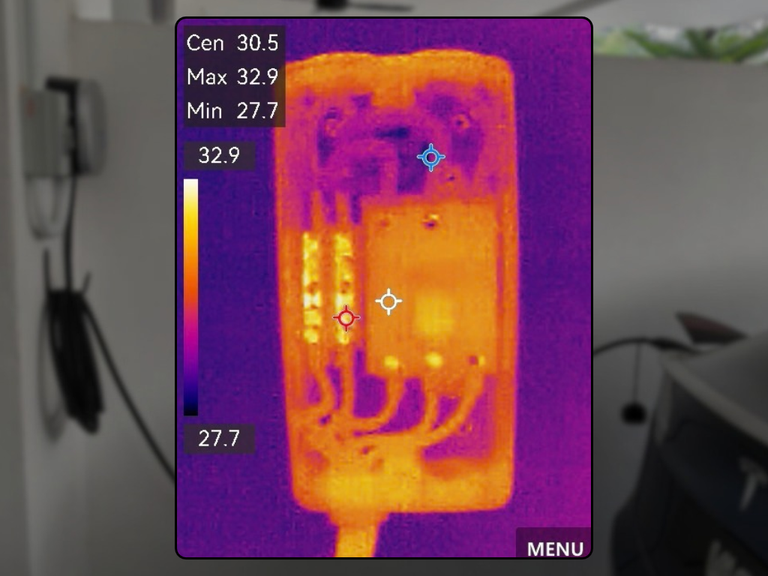
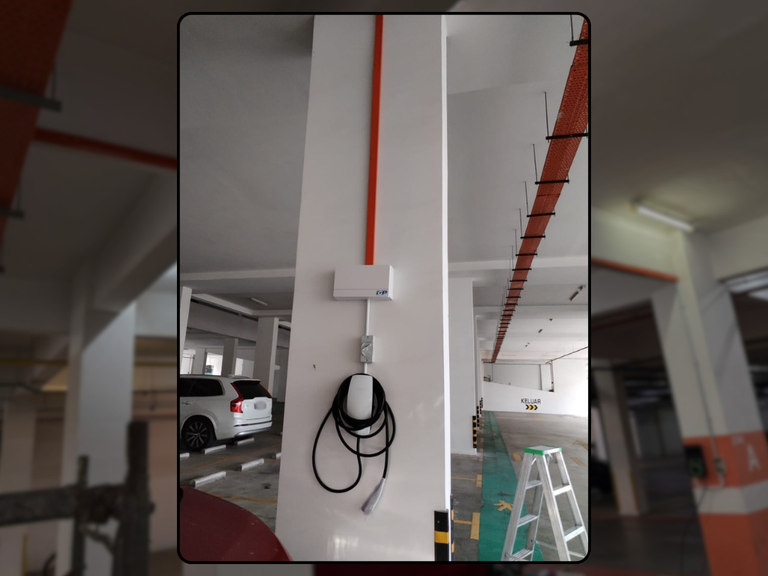
Unlike plugging in a household appliance, installing a home EV charger involves several steps.
A proper installation normally includes:
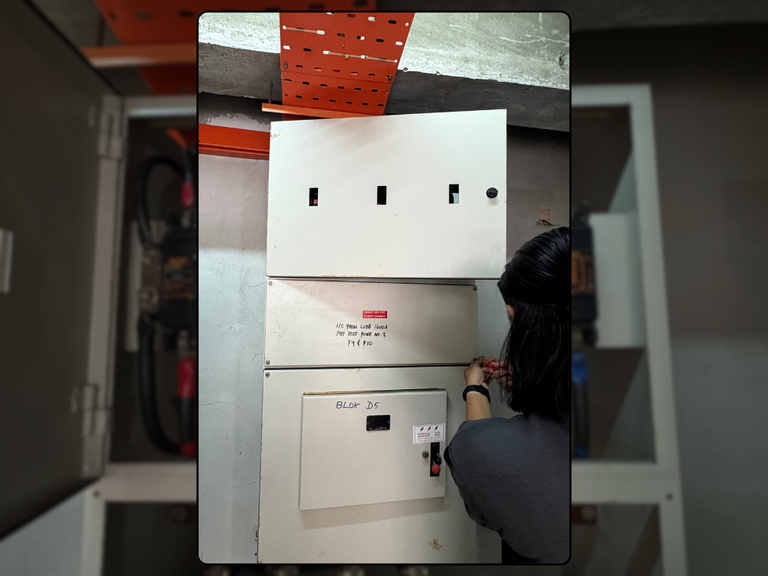
- Electrical system inspection
- Charger selection
- Installation planning
- Scheduling the installation team
- Electrical works and commissioning
Each step ensures the charging system is installed safely and operates reliably for years.
Because EV charging systems are classified as continuous electrical loads under IEC 61851-1, installers must verify that the electrical system can safely support sustained current during long charging sessions.
Skipping these planning steps or compressing them into a short timeline can create unnecessary complications.
Installer Scheduling Is a Real Constraint
As EV adoption grows in Malaysia, more homeowners are requesting charger installations.
Professional installers must schedule:
- site inspections
- installation teams
- equipment preparation
- project timelines
When many EV deliveries occur within a similar timeframe — which often happens during large delivery batches from manufacturers — installer schedules can quickly fill up.
If installation planning only begins after the delivery date is announced, the available installation slots may already be limited.
Early inspection allows installation to be scheduled in advance, avoiding last-minute scheduling pressure.
Electrical Discoveries Sometimes Require Time
Another reason early inspection is beneficial is that some homes require minor electrical adjustments before an EV charger can be installed.
These may include:
- distribution board adjustments
- additional protection devices
- cable routing planning
- installation preparation work
Most homes are able to support EV charging without major modifications, but these details must still be verified.
When such discoveries happen late in the process, they can delay the installation timeline unnecessarily.
When discovered early, they can be addressed well before the vehicle arrives.
Early Planning Makes Charger Selection Easier
Another advantage of early inspection is that it gives homeowners time to understand their charging options.
Rather than rushing a decision just before the vehicle delivery, EV owners can take time to consider:
- charger capabilities
- smart charging features
- compatibility with household electrical capacity
- future needs such as solar integration
This leads to better long-term decisions and a charging system that fits the home properly.
The Most Efficient Installation Timeline
From experience, the smoothest EV ownership experience follows a simple sequence.
Step 1 — EV is ordered
The customer confirms their EV purchase.
Step 2 — Home inspection is scheduled
Electrical capacity and installation feasibility are assessed.
Step 3 — Charger and installation plan are confirmed
The homeowner understands the system and approves the installation proposal.
Step 4 — Delivery date is announced
Because the inspection and planning are already completed, installation can be scheduled immediately.
Step 5 — Charger installed before or shortly after vehicle arrival
Home charging is ready when the EV arrives.
This timeline removes most of the stress that new EV owners experience during their first weeks of ownership.
Charging at Home Is What Makes EV Ownership Convenient
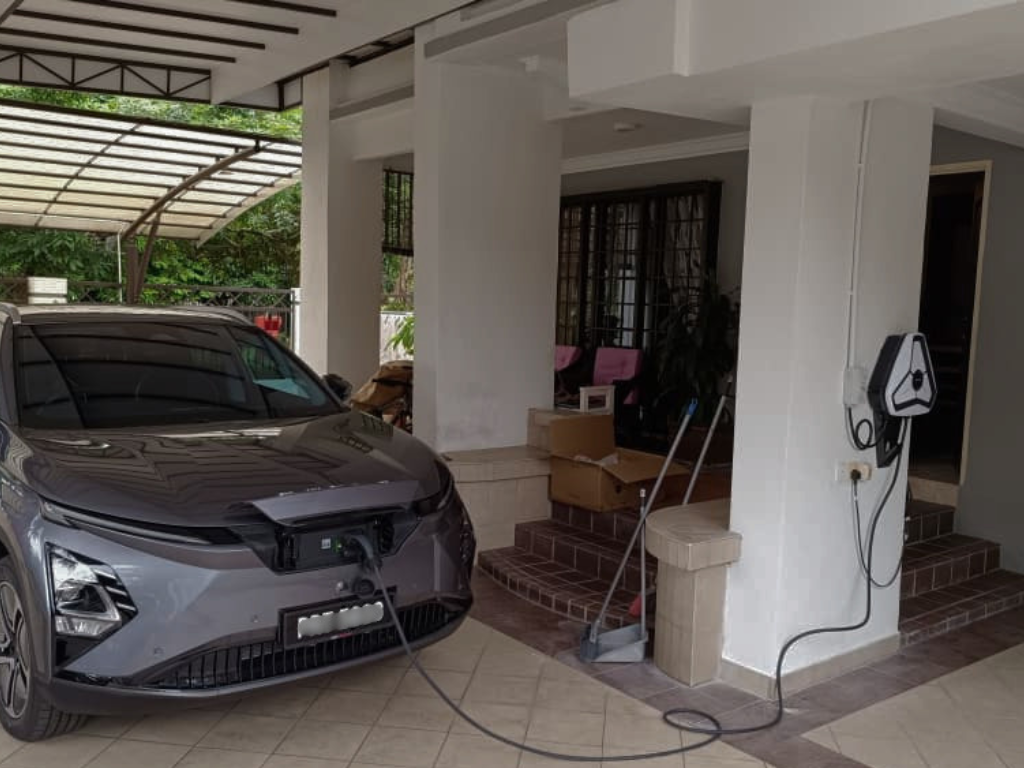
One of the biggest advantages of owning an EV is the ability to charge at home.
Instead of visiting fuel stations or searching for chargers during busy hours, the vehicle simply charges overnight.
But that convenience only exists when the home charging system is ready.
By planning installation early, EV owners can enjoy the full benefits of EV ownership from the first day the vehicle arrives.
A Small Step That Saves Time Later
Scheduling a home charger inspection early is a small step that can prevent larger delays later.
The inspection allows homeowners to understand their electrical system and prepare installation properly.
At IGP, the inspection fee is rebated if the installation proceeds, making it a practical way to begin the process without committing to installation immediately.
Most importantly, early inspection ensures that the installation can happen efficiently when the EV delivery date is known, rather than starting the process too late.
IGP’s Safety Principle
IGP enforces high standards as a deliberate benchmark to maximise safety in residential EV charging.
Because a home is not just an electrical installation—it is where lives and livelihoods are protected.
EV charging should be an upgrade to modern living, not a compromise in safety.
Let our obsession with quality protect your safety.
Because when it comes to EV charging and electrical systems, there’s no room for compromise.
Need your EV charger or electrical setup professionally inspected?
📞 WhatsApp Us: https://wa.me/60125954786
Stay connected with us:
🔹 Instagram: https://www.instagram.com/InnovativeGreenPowerMY
🔹 Facebook: https://www.facebook.com/innovativegreenpower
🔹 YouTube: https://www.youtube.com/@IGPEVCharging-ir8rv
🌍 Website: https://www.innovativegreenpower.com