1. Introduction
One of the most overlooked factors in EV charger installation is the size of the cable that carries electricity from your distribution board to the charger. An undersized cable can overheat, cause voltage drop and create fire hazards. This article explains why cable size matters and what standards apply to home EV charging in Malaysia.
2. Continuous Load and Thermal Considerations
EV chargers draw high current (e.g., 32 A for a 7-kW charger) for hours at a time. According to IGP’s technical guidance and international standards (IEC 61851-1 and MS IEC 60364), such charging is classified as a continuous load. Continuous loads require larger conductors to prevent thermal limits from being exceeded and to keep voltage drop within acceptable limits. Unlike intermittent loads (e.g., kettles or irons), an EV charger does not cycle off and thus generates sustained heating in the cable.
3. Voltage Drop Requirements
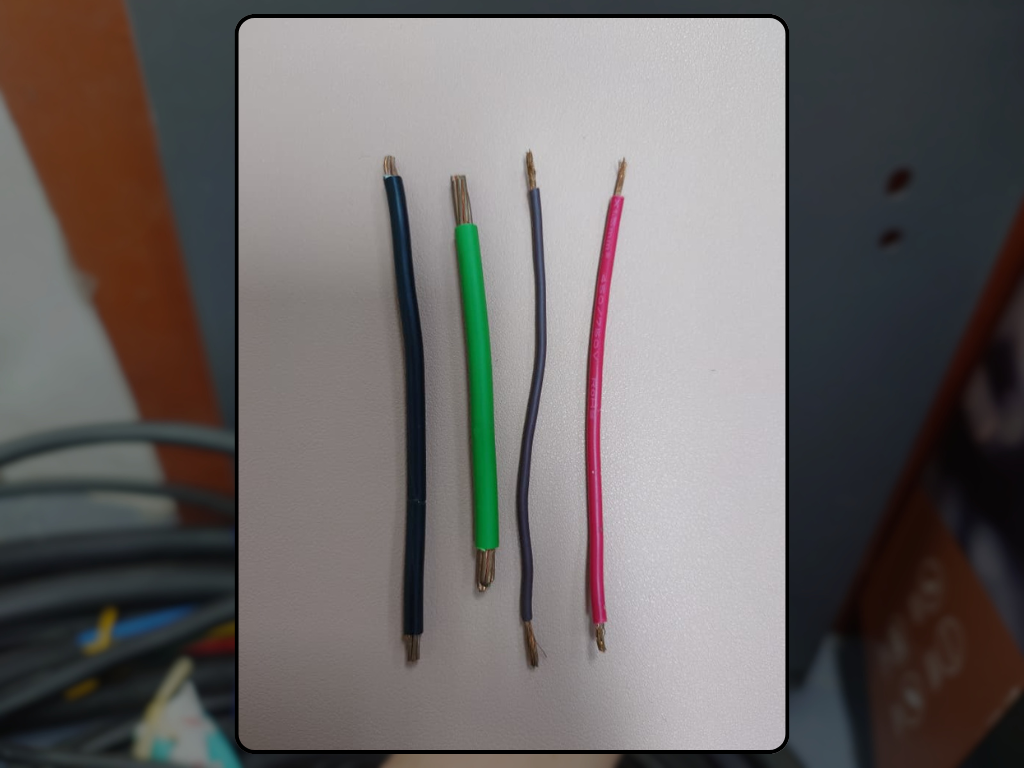
Malaysian wiring guidelines limit voltage drops to 4 % of the nominal voltage. At 32 A continuous current, a small cross-sectional area (e.g., 4 mm²) can result in excessive voltage drop and cause the charger to operate inefficiently or trip. To stay within the 4 % limit, conductors supplying 7 kW chargers should be at least 6 mm². For longer cable runs or higher loads, 10 mm² may be necessary to maintain performance.
4. Why 6 mm² Is the Minimum Standard
Derating factors—such as ambient temperature, installation in conduits, or grouping with other cables—reduce a cable’s current-carrying capacity. The IGP article on cable sizing explains that 4 mm² cables fail to meet continuous load requirements when derating and voltage drop are considered. Using a 4 mm² cable for a 7-kW charger could lead to overheating or trips, whereas 6 mm² provides the thermal and voltage drop margin needed for continuous operation. That’s why IGP’s standard installation packages use 6 mm² cables for single-phase installations and 10 mm² cables for longer runs or three-phase systems.
5. When to Choose 10 mm²
For cable runs longer than about 10 m, or for three-phase 11 kW/22 kW installations, 6 mm² may not suffice. Upgrading to 10 mm² reduces voltage drop and heating over longer distances. Your installer will measure the cable route and recommend the appropriate size based on load calculations and standards.
6. Conclusion
Cable size is a critical safety factor in EV charger installation. Continuous loads, thermal derating and voltage drop constraints require 6 mm² or 10 mm² copper conductors. Using smaller conductors—like 4 mm²—can cause overheating and tripping. When in doubt, consult an ST-registered contractor who understands continuous load requirements and designs the installation accordingly. IGP’s packages include properly sized cables to ensure safe, efficient charging.