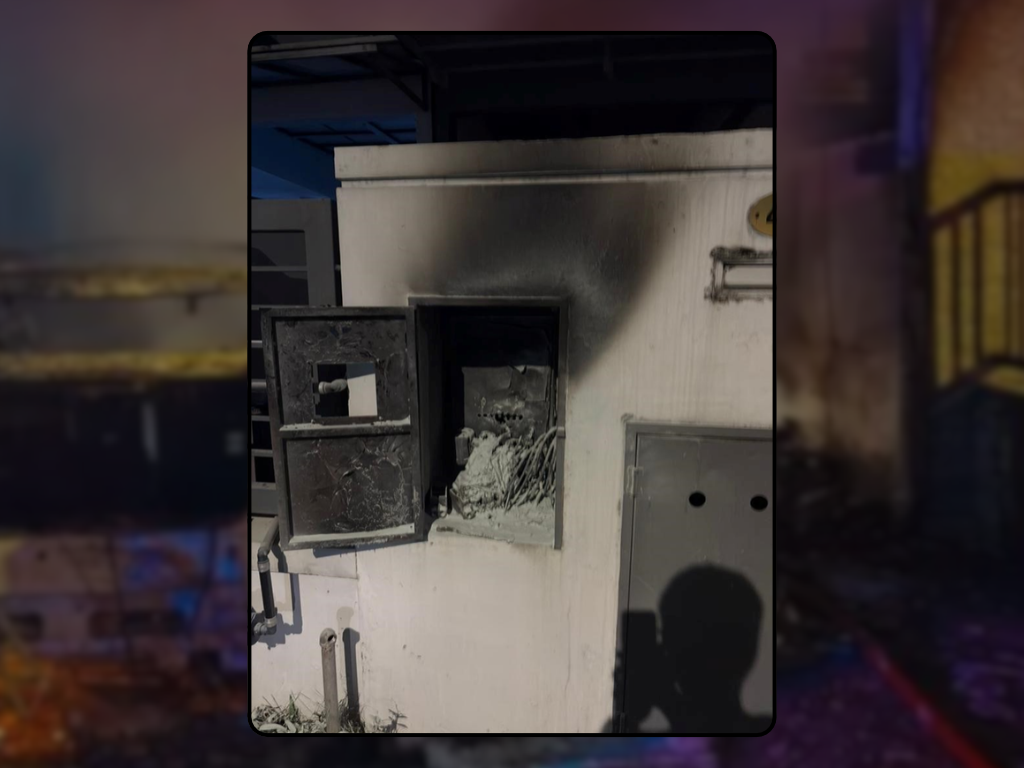
Last week an EV-related fire broke out at a home located in Alam Damai. While official investigations are still ongoing, initial reports indicate that the fire occurred while the car was charging overnight.
This incident has understandably raised concerns regarding EV charging safety in residential homes and has also brought attention to an important EV ownership aspect that’s often overlooked:
Safe EV charging is not just about choosing a good charger. It is about making sure the entire electrical system is suitable for the job.
Here at Innovative Green Power, this is something that we’ve always stood by and believed in. We do not treat home charging as a simple electrical installation. We take a step back and look at the whole home’s electrical system, making sure that the charger, wiring, protection components, and home all work together.
EV Charging Uses a Significant Electrical Load
As we have written about before, EV charging is categorized as a continuous load. This is one of the key differences between EV charging and other common household appliance loads.
A typical instant hot water machine draws about 3.5 kW while in use but is generally only used for a short amount of time, typically between 10-30 minutes. On the other hand, an EV charger operates for easily 6 or more hours for an overnight charge.
While your EV charger might appear on the surface like any other appliance, the electrical demand it places on your system can be significant.
In addition to that, modern homes today are using more power than ever. AC units, water heaters, ovens, electric cooktops, and other appliances all contribute to the home’s electrical load.
Adding an EV charger means adding yet another high-load device into a system that may be at its limits.
That’s why the question should not simply be:
“Can I Install an EV Charger?”
But rather:
“Can my home’s electrical system safely support the charger I want to use?”
Your Home’s Electrical System Matters
Your home’s electrical wiring was likely designed to meet the load requirements that were expected at the time of development.
When adding an EV charger, the installation must consider both the charger’s requirements and the home’s electrical load.
This means looking into items such as:
· Homes Electrical Supply
· Existing Household Electrical Load
· Condition of Existing Wiring
· Capacity of the Home’s Distribution Board
· Intended Charging Power
· Appropriate Protection Devices
These items are important in all homes, but even more so for older homes, where the infrastructure would not have been designed with EV charging in mind.
Having a single-phase electrical supply does not automatically mean an EV charger cannot be installed, while having a three-phase supply doesn’t mean an installation can be done.
Every home has different requirements, and the right approach is to assess each home’s electrical system first before determining the best setup the home can safely support.
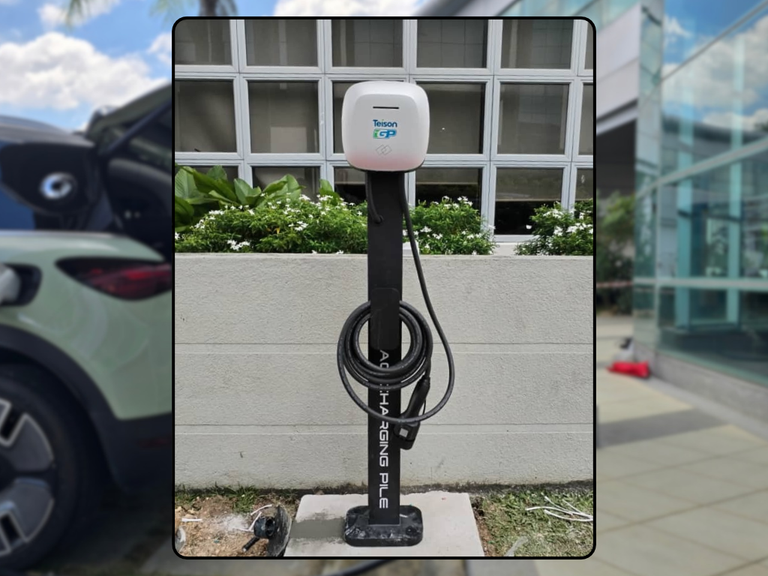
The Charger is Only One Part of the System
EV charging is usually simplified to being just the charger itself; however, a proper EV charging setup contains multiple layers of protection.
The vehicle should have its own protection systems. The charger itself has protection mechanisms that can detect certain faults and stop charging.
The dedicated charging circuit also has electrical protection, while the home’s distribution board provides another layer of protection for the overall electrical system.
This means that the safest charging system does not rely solely on one system, but a combination of different safety systems.
The vehicle, charger, wiring, protection components, and home’s electrical system all play a role.
This is why every step of the installation process needs to be considered, not just the brand of the wallbox purchased.
Don’t Overlook the Wiring
One of the most important aspects of an EV charger installation is the wiring.
Because the wiring is often concealed behind walls or hidden inside conduits, it’s often overlooked by most owners.
Charging circuits need to be appropriately designed for the intended power and installation conditions.
Cable size, cable routing, connection quality, and the condition of existing infrastructure all matter.
An expensive charger connected to an unsuitable electrical circuit does not make it a safe installation.
More Power Isn’t Always Better
For most new EV owners, it can be tempting to assume that the faster the charger, the better it is. However, the goal of home charging should not be to push the maximum power into your car as quickly as possible.
The goal of home charging is to provide the appropriate charging power that the home’s electrical system can safely and reliably support.
For some homes, managing charging load is a requirement that must be considered. That’s where features such as Dynamic Load Balancing can help in managing the charger’s output power and the home’s electrical demand.
What Should Homeowners Look Out For?
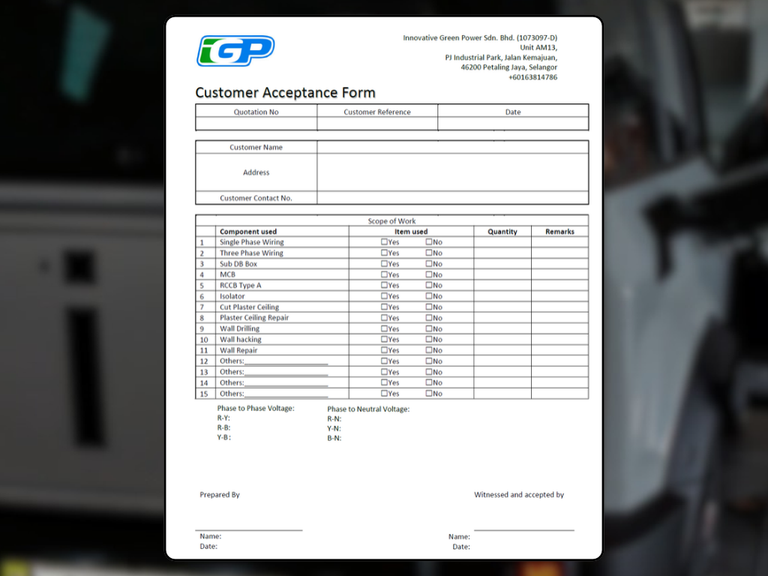
If you’re planning on installing an EV charger at your home, here are several things you should ask your installer beforehand.
- Has my home’s electrical system been inspected?
The installer should understand the existing electrical supply and condition of the system beforehand.
- What charging power can my home safely support?
The answer should consider the home’s electrical capacity and existing loads, not simply the charger’s maximum rating.
- Is the charger supplied by a dedicated circuit?
The charging circuit should be appropriately designed for the intended load.
- What protection devices will be installed?
Ask what MCB, RCCB, and other relevant protection components are being used and why they are suitable for the installation.
- Is load management needed?
For homes with significant existing electrical loads, solutions such as dynamic load balancing may be worth considering.
- Who is carrying out the installation?
The quality of the installation and workmanship is just as important as the products being installed.
These questions help you to better understand the services and what to expect from the installation.
Safety Starts Before Charging Begins
The Alam Damai incident is a reminder that as EV adoption grows in Malaysia, we also need to pay greater attention to the electrical systems supporting these vehicles.
But the conversation should not simply be about whether EVs or EV chargers are “safe” or “unsafe.”
The more useful question is:
Has the charging system been properly assessed, designed, protected, and installed?
At Innovative Green Power, we believe a safe EV charger installation starts long before the charger is mounted on the wall.
We look at the home as an electrical system.
From the electrical supply and existing loads to the cables, protection components, charger, and installation workmanship, every part has a role to play.
The goal is not to push maximum power into every home.
The goal is to design a charging setup that the home can safely and reliably support.
Home charging should be convenient, but it should also be designed properly.
Because when it comes to EV charging and electrical systems, there is no room for compromise.
Let our obsession with quality protect your safety.
Because when it comes to EV charging and electrical systems, there’s no room for compromise.
Need your EV charger or electrical setup professionally inspected?
📲 WhatsApp Us: https://wa.me/60125954786
Stay connected with us:
📷 Instagram: https://www.instagram.com/InnovativeGreenPowerMY
📘 Facebook: https://www.facebook.com/innovativegreenpower
🎥 YouTube: https://www.youtube.com/@IGPEVCharging-ir8rv
🖥 Website: https://www.innovativegreenpower.com
References:
https://www.thestar.com.my/news/nation/2026/08/21/power-shift-needed-for-ev-era