By Alvin Wong, CEO of Innovative Green Power Sdn. Bhd.
Owning an EV is not just about driving a new kind of car – it’s about adapting to a new rhythm of energy use. The way you plan and manage your charging makes a big difference in convenience, cost savings, and even battery health. Two situations matter most for Malaysian EV owners: charging at home and charging on road trips.
Charging Strategies for Home
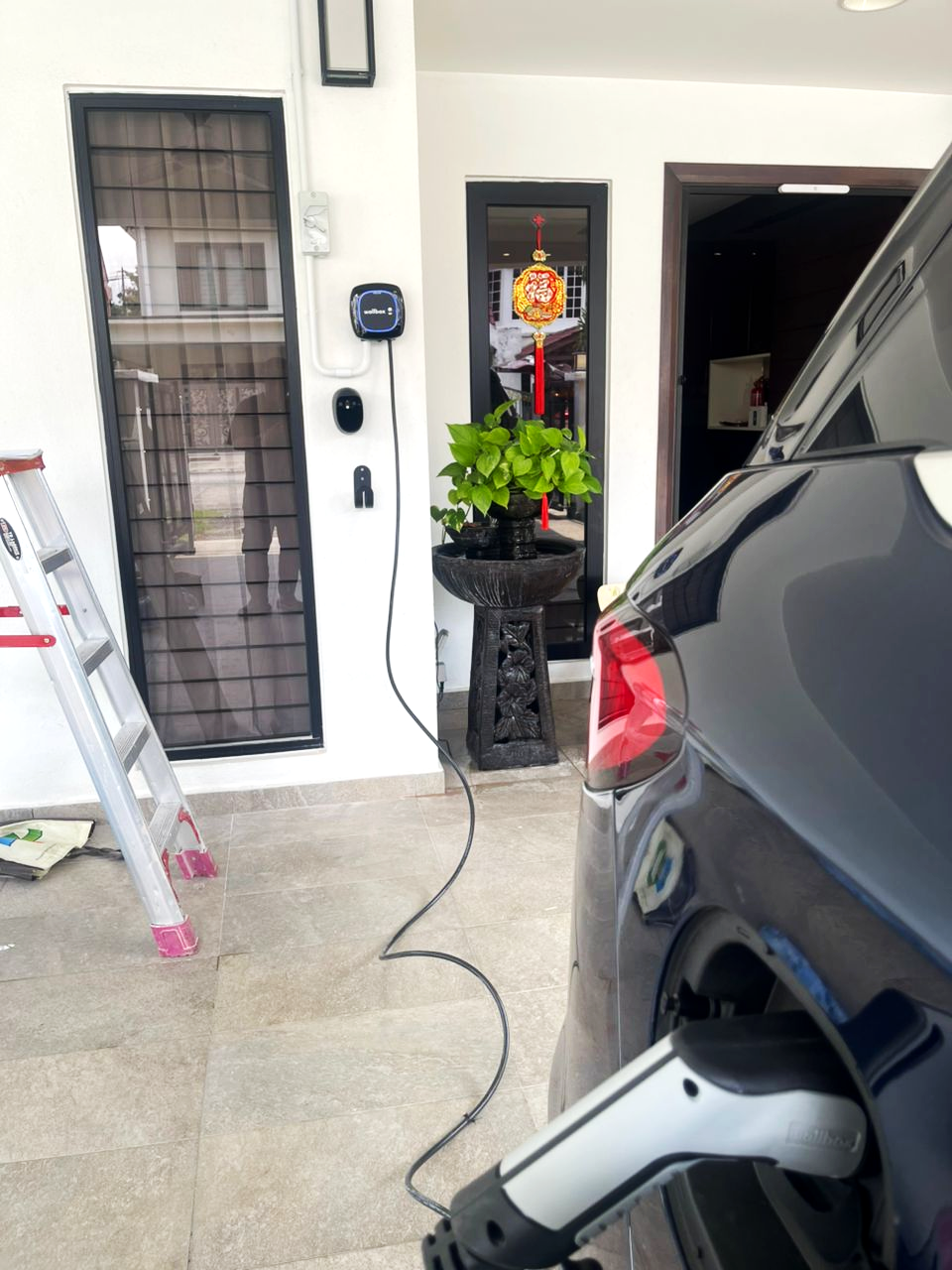
For most owners, home charging is the foundation of EV ownership. Unlike filling up at a petrol station, you don’t need to “wait until empty” before plugging in. Instead, small and regular top-ups are more efficient.
Single-Phase vs Three-Phase Homes
Most older Malaysian homes run on single-phase (limited to 32A). That supports about 7kW charging, enough to add roughly 10% of a 70kWh battery per hour. Even if you charge at half power (16A, or 3.7kW), you’re still gaining about 5% per hour — nearly 50% in a 10-hour overnight session. That’s more than enough for most daily routines.
The Myth of “0% to 100%” Charging
In reality, almost no one arrives home with an empty battery. Cars usually still have 20–40% left. That means even “slow” home charging easily covers your next day’s needs without stress.
Trickle Charging = Battery Care
Topping up a few kWh each night instead of waiting until the battery is low helps reduce stress on both your battery and your daily routine.
Multiple EVs at Home
As EV adoption rises in Malaysia, many households are starting to own two or even three EVs. The good news is that you don’t always need more than one charger.
One Charger Can Be Enough
A single home charger can realistically support up to three cars — as long as none of them are used intensively, such as for ride-hailing.
Rotation Charging
Cars can take turns depending on which one needs it more urgently.
Mixing Charging Methods
You can always combine DC fast charging with home charging. For example, top up to 50% at a DC charger on your way home (a quick 10–15 minutes), then let your home charger handle the rest slowly overnight.
Malaysian Example: A Two-EV Family in PJ
- Car A (daily commuter): Drives 50 km to work and back each day. Comes home with around 60% battery. Plugged in every other night, topping up at 7kW for 4–5 hours is enough to bring it back to 80–90%.
- Car B (balik kampung family SUV): Used mainly on weekends and festive trips. Parked most weekdays. Gets a full overnight charge once a week. For festive balik kampung trips, they stop for 15 minutes at a DC charger on the highway to add 40–50%, then complete the journey with plenty of range.
With just one home charger, this family comfortably supports two EVs without stress. Both cars are always ready when needed, and electricity bills stay predictable.
Charging Strategies for Road Trips
Longer journeys, like a drive up to Penang or Cameron Highlands, require different planning. Public charging infrastructure is growing quickly in Malaysia, but knowing how to make the most of it ensures peace of mind.
- Charge When You Can, Not When You Must
- Know Your Car’s Charging Curve
- Plan Stops Around Meals or Breaks
- Backup Options with Charging Apps
Final Thoughts
Good charging habits make EV ownership smoother, safer, and more enjoyable. At home, even a single 7kW charger can easily keep up with one to three EVs if rotation strategies are applied. On the road, combining fast DC charging with slower home charging makes long trips stress-free. And remember: you don’t need to think in terms of 0% to 100% — topping up what you need is usually more than enough.